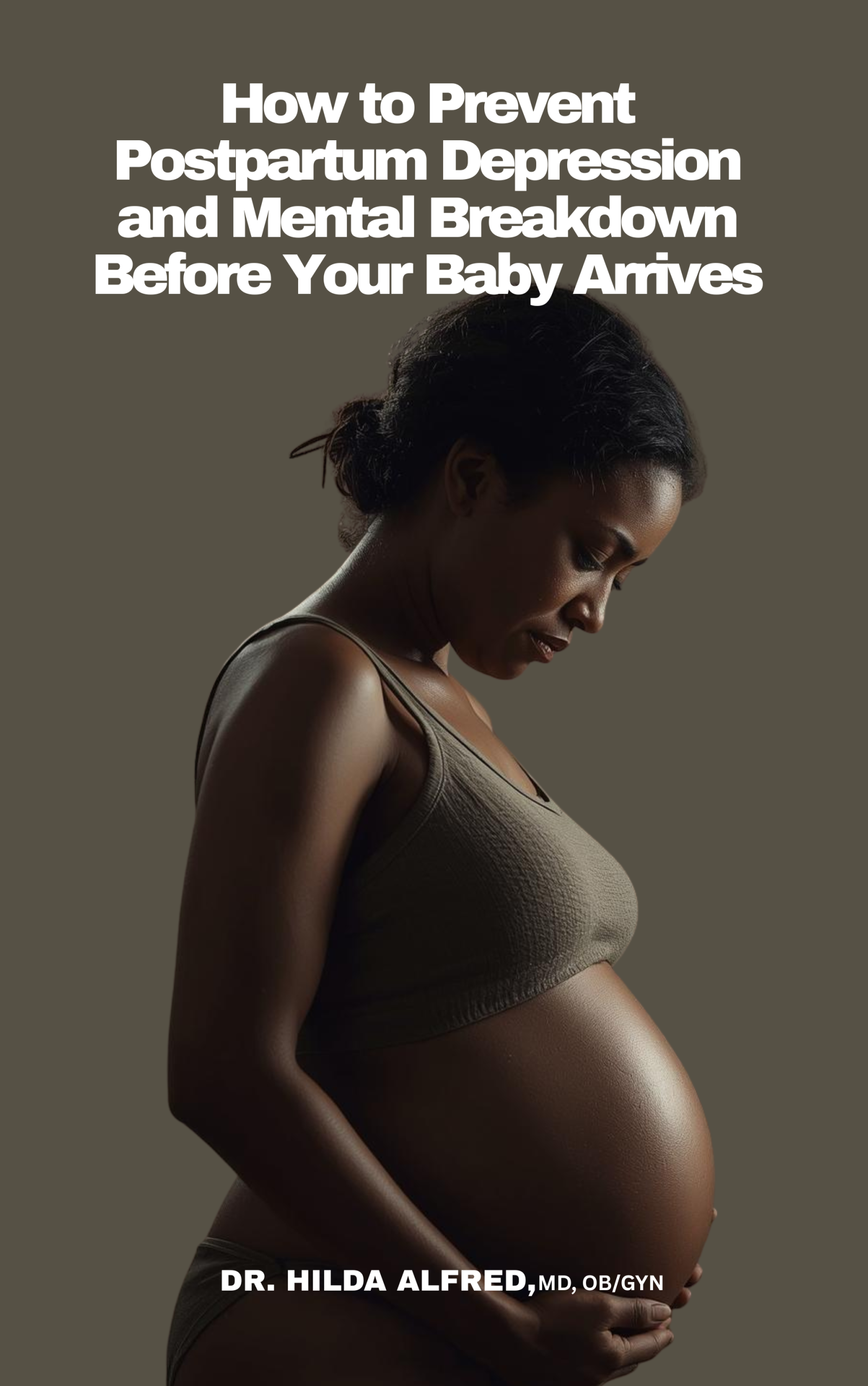
Description
Prenatal and postpartum depression severely affect many women without their notice. This book will help you identify and avoid the accumulating triggers, and, most importantly, erect the pillars that will hold you strong and safe.
As an obstetrician, I have seen that screening and healing in the perinatal period do more than address the present; they build a mother’s resilience for the future. We can prepare her, fortify her, and arm her with tools because we know she is at risk. We intervene when she is in her relative “safe zone,” so she is not defenceless when the gale winds blow.
And blow they will. The postpartum period is where the heat is truly on—a relentless convergence of crashing hormones, sleepless nights, the weight of infant and parental demands, unmet expectations, spousal disconnection, and the profound isolation of lost social supports. As an OB/GYN who cares for mothers, it traumatises me how the bleeding wound of perinatal and postpartum depression, carried by many women unnoticed, has the power to wreck homes, stifle affection, and alter the course of a life. It is crucial to understand: this can happen to anyone. In fact, the primary risk factor is when you don’t know, it can quietly destroy one unnoticed. Healing is possible, but it can be slow and painful. The superior path is prevention. And prevention begins now, in whatever your “now” may be—whether you are expecting or healing after birth. This book is your proactive guide. It presents the PSCS Framework I designed in 2018 with proven strategies to help you understand the landscape of mental health during and after birth, identify and avoid the accumulating triggers, and, most importantly, help you erect the pillars that will hold you strong and safe.


Heather –
I didn’t know Omega-3s were so crucial for postpartum brain health. Changed my diet.
Brenda –
I escaped PPD because of the “red flag” list. I called my midwife at 2am.
Stephanie –
Explains that sleep deprivation is torture, and gives a “shift sleeping” schedule for partners.
Andrea M. –
Includes a “Solo Safety Plan” for when you live alone and feel the dark thoughts coming.
Marilyn T. –
Finally, a book that separates “baby blues” from “PPD” with a strict timeline chart.
Gloria –
He kept asking “Are you ok?” This book taught him to ask “What do you need?”
Carolyn –
I gave the “Family and Friends” excerpt to my mother in law. She stopped telling me to “just be happy.”
Denise –
I started the “daily mood logging” at 30 weeks. By 35 weeks, my therapist saw the dip.
Teresa K. –
Prevents the breakdown. Literally. It lists the 5 thoughts that signal emergency intervention.
Maria –
A bit too spiritual for me (prayer sections), but the CBT exercises were excellent.